When it comes to inflating your stand-up paddle board (SUP), most people focus on reaching the correct PSI for safe and enjoyable paddling. However, altitude and temperature can significantly affect the way air behaves inside your board-and if your electric paddle board pump isn't up to the task, you could end up with improper inflation, reduced performance, or even equipment damage.
In this article, we'll explore how altitude and temperature impact SUP inflation, and what features you should look for in a high-quality electric SUP pump to ensure reliable performance in any environment.
How Altitude Affects SUP Inflation
At higher altitudes, air pressure decreases. This means that the external pressure around your paddle board is lower than at sea level. When you inflate your board at high elevation (for example, at mountain lakes or highland rivers), the internal pressure you achieve at a given PSI setting can actually feel higher relative to the surrounding environment.
What this means in practice:
- Inflating your SUP to the same PSI at high altitude could make it feel stiffer than at sea level.
- A board inflated at low altitude and then transported to higher altitude may risk overinflation as external pressure drops.
- Without a pump that can account for altitude, you might unintentionally overinflate and stress seams or valves.
What to look for in a pump:
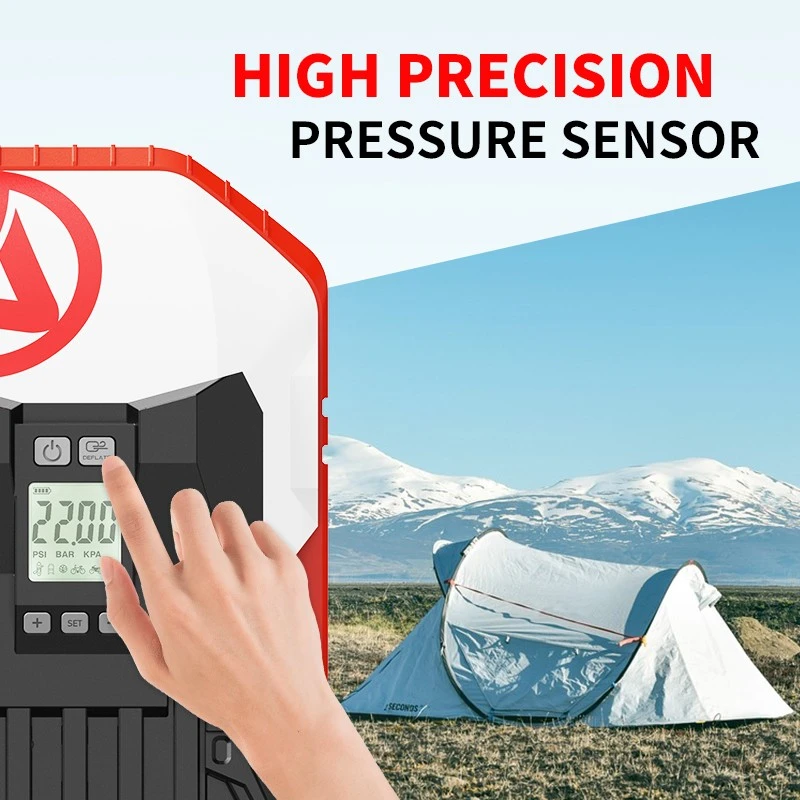
Choose an electric SUP pump with altitude calibration or pressure compensation technology. These pumps can automatically adjust internal pressure readings to account for environmental conditions, helping you achieve the correct inflation safely.
How Temperature Impacts SUP Inflation
Air expands when it gets warmer and contracts when it cools. This basic principle of physics affects your SUP in noticeable ways:
- If you inflate your board in a cool morning and leave it in the hot sun, internal pressure will increase as air inside expands.
- Conversely, inflating in high heat and then paddling in cooler water can lead to underinflation as air contracts.
These temperature-driven changes can impact board rigidity, handling, and even safety. A board that becomes over-pressurized in direct sun may risk seam or valve damage. Under-inflation can cause flexing, making your board less stable on the water.
What to look for in a pump:
Opt for a dual-stage electric paddle board pump with precise digital pressure control and auto shut-off at target PSI. This allows you to fine-tune inflation according to conditions. A smart pump lets you stop just shy of the maximum PSI when inflating in cool conditions if you know the temperature will rise later.
Why the Right Pump Matters
Inflating a paddle board at altitude or in variable temperatures requires more than just any electric pump. The right electric SUP pump should offer:
- Altitude calibration to adjust pressure readings automatically.
- Accurate PSI settings, down to small increments like 0.1 PSI, to fine-tune inflation for changing environments.
- Auto shut-off to prevent accidental overinflation.
- Durability to handle temperature swings without performance loss.
Some advanced models, like the GICLE AP-887LB Rechargeable Electric Paddle Board Pump, integrate altitude compensation and smart pressure control, helping you confidently inflate your SUP whether you're at sea level or high up in the mountains.
Altitude and temperature are often-overlooked factors that directly affect SUP inflation and performance. By choosing a high-quality electric paddle board pump with smart features like altitude calibration and precise pressure management, you can ensure your board stays safe, stiff, and ready for any adventure-whether you're paddling along a coastal bay or exploring a mountain lake.